Your pool cue is one of the most important parts of your game. Whether you play socially or take competition more seriously, proper maintenance and the right cue setup can make a real difference to consistency, cue ball control, feel, and long-term performance.
This guide covers the essentials of pool cue care, tip maintenance, storage, cue weight, and what to consider when choosing the right cue for your playing style.
Pool Cue Maintenance – Keep Your Cue Playing Like New
A well-maintained cue will usually perform more consistently, feel smoother through the hand, and last far longer than a cue that is neglected. Dirt, chalk residue, moisture, poor storage, and lack of tip care can all gradually reduce performance and shorten the life of the cue.
Good cue maintenance is not complicated, but it does require a bit of regular attention. A few simple habits can help you avoid warping, tip problems, joint issues, and unnecessary wear.
Keep the shaft clean, maintain the tip properly, avoid extreme heat or cold, do not lean the cue against a wall, and store it carefully when not in use.
Basic Rules Every Player Should Follow
- Never leave your cue in a hot or cold environment, especially in a car. Extreme temperature changes can damage the cue and lead to warping.
- Do not lean your cue against a wall. Over time this can contribute to bending, and the cue may also fall and damage the tip, ferrule, or joint.
- Check your cue regularly by sighting down it. This is generally a better way to inspect straightness than rolling it on a table.
- Keep the shaft, tip, ferrule, and joint clean so the cue continues to feel and perform properly.
- Pay attention to tip condition before important matches or events. A cue tip that is too flat, glazed, or badly shaped can lead to miscues and inconsistent contact.
Cleaning the Shaft
The shaft is the part of the cue you handle the most, so it naturally collects chalk, skin oils, dirt, and general residue from regular play. When the shaft becomes dirty, it can feel sticky or rough in the hand, which affects comfort and smooth cueing.
Regular cleaning helps keep the shaft smooth and reduces the build-up of grime over time. It also helps preserve the feel of the cue, especially for players who are sensitive to how the shaft moves through their bridge hand.
Suitable products include Lynch’s Cue Balm, Stan Moody cue care products, Volkan Cue Protect cleaners, and the McDermott Shaft Maintenance Kit.
If you use a carbon fibre shaft, it is best to use a product designed specifically for that type of finish, such as Lynch’s Carbon Glide Balm.
Recommended shaft care products:
McDermott Shaft Maintenance Kit, Lynch’s Cue Balm, Volkan Cue Protect, and Lynch’s Carbon Glide for carbon shafts.
Traditional ash shafts, maple shafts, coated cues, and carbon fibre shafts can all require different maintenance methods. A product that works well on one cue may be unsuitable for another.
If in doubt, use cue-specific maintenance products and avoid aggressive experimentation. Long-term consistency usually comes from gentle, appropriate care rather than over-treating the shaft.
It is best to avoid unsuitable household products or anything too aggressive. Heavy waxes, silicone-based products, or inappropriate oils are not ideal for routine cue care. Use products intended for cues wherever possible.
Maintaining the Cue Tip
The cue tip is the part that directly contacts the cue ball, so it has a major influence on control, spin, feedback, and consistency. Even a good cue can play badly if the tip is in poor condition.
To perform well, the tip should be shaped properly, hold chalk well, and remain structurally sound. A tip that is too flat, too shiny, badly mushroomed, or too thin is more likely to miscue and feel inconsistent.
Tip Maintenance Basics
- Keep the tip slightly rounded rather than flat.
- Make sure the striking surface remains able to hold chalk.
- Burnish the side wall to keep the edges tidy and help reduce mushrooming.
- Replace the tip once it becomes too thin or worn down.
- Check tip condition regularly, not only when a problem appears.
Players often notice obvious miscues, but a neglected tip can also reduce confidence before that point. If the tip feels too hard, too flat, too shiny, or inconsistent from shot to shot, it can subtly affect how freely and accurately you cue.
Keeping the tip shaped, properly chalked, and structurally tidy is one of the simplest ways to maintain a reliable playing feel.
Helpful accessories include cue tip tools, tip protectors, and the 2-in-1 tip tool.
Always use a proper adhesive intended for cue tips. A poor glue choice can cause problems for both the tip and the shaft over time.
How to Maintain and Care for Your Cue
These videos demonstrate basic cue maintenance techniques, including shaft cleaning and tip care.
Types of Cue Tips (And What to Choose)
There are three main cue tip categories used today, and each has its own feel and purpose.
- Single-layer or pressed tips – more traditional in feel and often preferred by players who like a classic response.
- Laminated tips – designed for greater consistency and often a longer working life when maintained properly.
- Phenolic tips – very hard tips usually associated with break cues rather than general playing cues.
There is no universal “best” tip for every player. Softer tips can provide more feel and grip, while harder tips can offer a firmer hit and longer life. The best choice depends on your cue, your stroke, and what sort of response you prefer.
Popular tip options include Elk Master tips, Kamui, G2, Predator Victory, and other laminated options depending on the type of cue and the player’s preference.
Cleaning the Joint and Ferrule
The joint and ferrule are easy to overlook, but they are important parts of the cue’s overall feel and reliability. If the joint surfaces are dirty or neglected, the cue may not fit together as cleanly as it should, and odd noises or an inconsistent feel can sometimes result.
- Keep the joint clean and free from residue.
- Inspect the ferrule regularly and make sure it is secure.
- Before fitting a new tip, always check that the ferrule is stable and in good condition.
- Using joint protectors is a sensible way to protect the joint pin and threads during transport and storage.
Some players also use fine abrasives very carefully for ferrule cleaning, but the key point is to avoid rough treatment and keep the surfaces tidy rather than overwork them.
Proper Cue Storage
Storage has a major effect on how well a cue lasts. Even a good cue can be damaged by poor storage habits, especially if it is regularly exposed to heat, cold, moisture, or constant pressure in an awkward position.
- Store your cue in a quality cue case when not in use.
- Avoid leaving the cue in hot cars, cold garages, or damp areas.
- Do not leave the cue leaning against walls for extended periods.
- Keep the cue in a stable indoor environment wherever possible.
A good cue case helps protect the cue from knocks, dust, and day-to-day environmental exposure. If you are still choosing one, you can browse the current range of pool cue cases.
Useful protection and maintenance accessories:
Cue cases, cue accessories, shaft and tip tools, and tip protectors.
Pool Cue Weight Guide – Choosing the Right Weight
Most pool cues usually fall somewhere between 18oz and 20oz. The right weight depends on what feels comfortable to you, how you deliver the cue, and whether you prefer a lighter, more finesse-oriented feel or something more solid and stable.
18oz Cues – Control and Finesse
18oz cues are often chosen by players who prefer a lighter feel. A lighter cue can make delicate positional shots feel easier and may suit players who like a smooth, more controlled action.
19oz Cues – The Balanced Choice
For many players, 19oz is the safest all-round starting point. It offers a good balance between control and power and remains one of the most popular cue weights in pool.
20oz Cues – Power and Stability
20oz cues provide a slightly heavier, more solid feel. Some players like that extra sense of stability, particularly on firmer shots, although others feel that very soft touch shots can be easier with a lighter cue.
If you do not already know your preference, 19oz is usually the most sensible all-round choice for a pool cue.
You can browse the current range of pool cues if you want to compare different styles and specifications.
How to Choose the Right Cue
Choosing a cue is not only about weight. A good choice also depends on how the cue feels in the hand, how it balances, what shaft type it uses, and how well it matches the game you play most often.
- Weight and balance – the cue should feel natural rather than forced.
- Shaft type – maple and carbon fibre both have their place depending on preference.
- Tip type and hardness – this affects feel, control, and response.
- Build quality and consistency – a better-made cue is usually more dependable over time.
In simple terms, the best cue is the one that feels comfortable, suits your playing style, and gives you confidence when you get down on the shot.
Why Many Players Prefer USA-Made Cues
Many players looking for an American pool cue prefer established USA-made brands because of their consistency, materials, and long-term build quality. Once you move beyond the cheapest entry-level cues, better construction often becomes easier to appreciate.
American-made cues are commonly associated with:
- better material selection
- more consistent construction
- stronger long-term reliability
- more refined overall feel
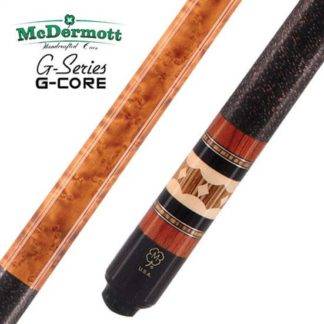
One of the best-known names in this area is McDermott, which is widely recognised for solid construction, modern cue design, and strong brand reputation.
If you want to browse that range directly, you can view the current
McDermott pool cue selection here.
Final Thoughts
A good cue can last for many years, but only if it is looked after properly and chosen with some care. Cleaning the shaft, maintaining the tip, checking the joint, storing the cue well, and using the right weight all contribute to better long-term performance.
If you are unsure where to begin, start with the basics: keep the cue clean, protect the tip, store it properly, and choose a sensible all-round weight. From there, you can fine-tune your setup as your game develops.
Browse related products:
Pool cues, cue accessories, shaft and tip tools, cue cases, and McDermott products.